
Sydney
+61 (2) 8336 9000Melbourne
+61 (3) 8199 9994Gold Coast
+61 (7) 5576 3700
MIDDLE EAST REGIONAL CONFLICT & FREIGHT OPERATIONS IMPACT
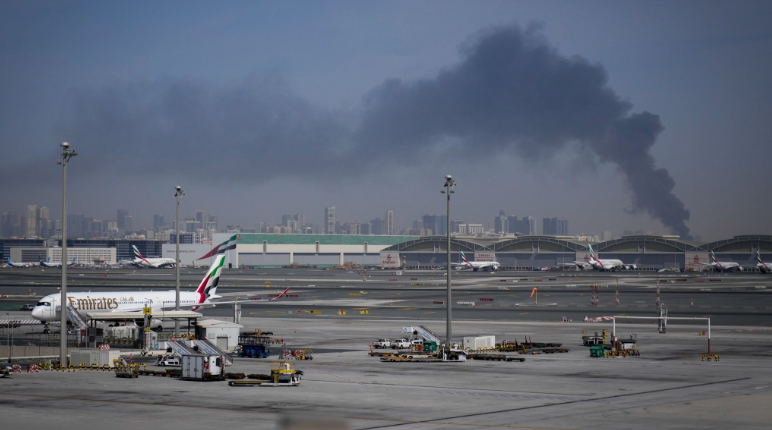
Middle East Conflict Impacting Global Freight
We are closely monitoring the rapidly escalating conflict in the Middle East, which is now causing significant disruption to global air and sea freight networks. These developments are expected to impact international supply chains, including shipments to and from Australia.
Air Freight Disruptions
The Middle East is a major global aviation hub connecting Asia, Europe and Oceania. Widespread airspace closures are severely affecting both passenger and cargo services.
Current impacts:
- Airspace closed or restricted across Iran, Iraq, Kuwait, Israel, Bahrain, UAE and Qatar
- Major hub airports including Dubai, Abu Dhabi and Doha temporarily shut
- Emirates, Qatar Airways and Etihad have suspended operations
- Significant flight cancellations and rerouting globally
What this means:
- Reduced global air cargo capacity
- Longer flight routings and higher operating costs
- Upward pressure on air freight rates
- Ongoing schedule instability, even after airspace reopens
Sea Freight Disruptions
Heightened security risks around key maritime chokepoints including the Strait of Hormuz and the Red Sea are now impacting container shipping.
Carrier actions include:
- Suspension of vessel transits through the Strait of Hormuz
- Rerouting of services via the Cape of Good Hope (avoiding Suez Canal)
- Temporary suspension of Middle East bookings by some carriers
- Vessels diverting to alternative regional ports
What this means:
- Extended transit times
- Schedule changes and potential port congestion
- Equipment imbalances
- War risk and emergency surcharges likely
Impact on Australian Supply Chains
Although geographically distant, Australia will feel the effects through:
- Reduced air freight capacity for time-critical cargo
- Longer sea freight transit times
- Increased freight rates due to fuel costs and risk surcharges
- Ongoing schedule volatility
Recommended Action
We recommend:
- Planning for potential delays and capacity constraints
- Reviewing contract terms (including force majeure and war risk clauses)
- Allowing additional lead time for shipments
Our team is monitoring developments closely and will provide shipment-specific updates as required.
Please contact your usual TCF representative if you have any urgent shipments or require further clarification.

Industry News
Read the latest news from TCF International.
Join our mailing list
Copyright © 2023 TCF International All rights reserved
Site by Vixen Internet 